


Research on
Healthcare Access & Perceptions
03/09/ 2026
Author: Julia
MAS’ latest public opinion survey of 400 residents aged 16+, fielded between 30 June and 21 July 2026, shows a system in which public and private healthcare work side by side in people’s everyday lives. Private GPs are often the first point of contact, while public services remain essential for specialist, emergency and community care.
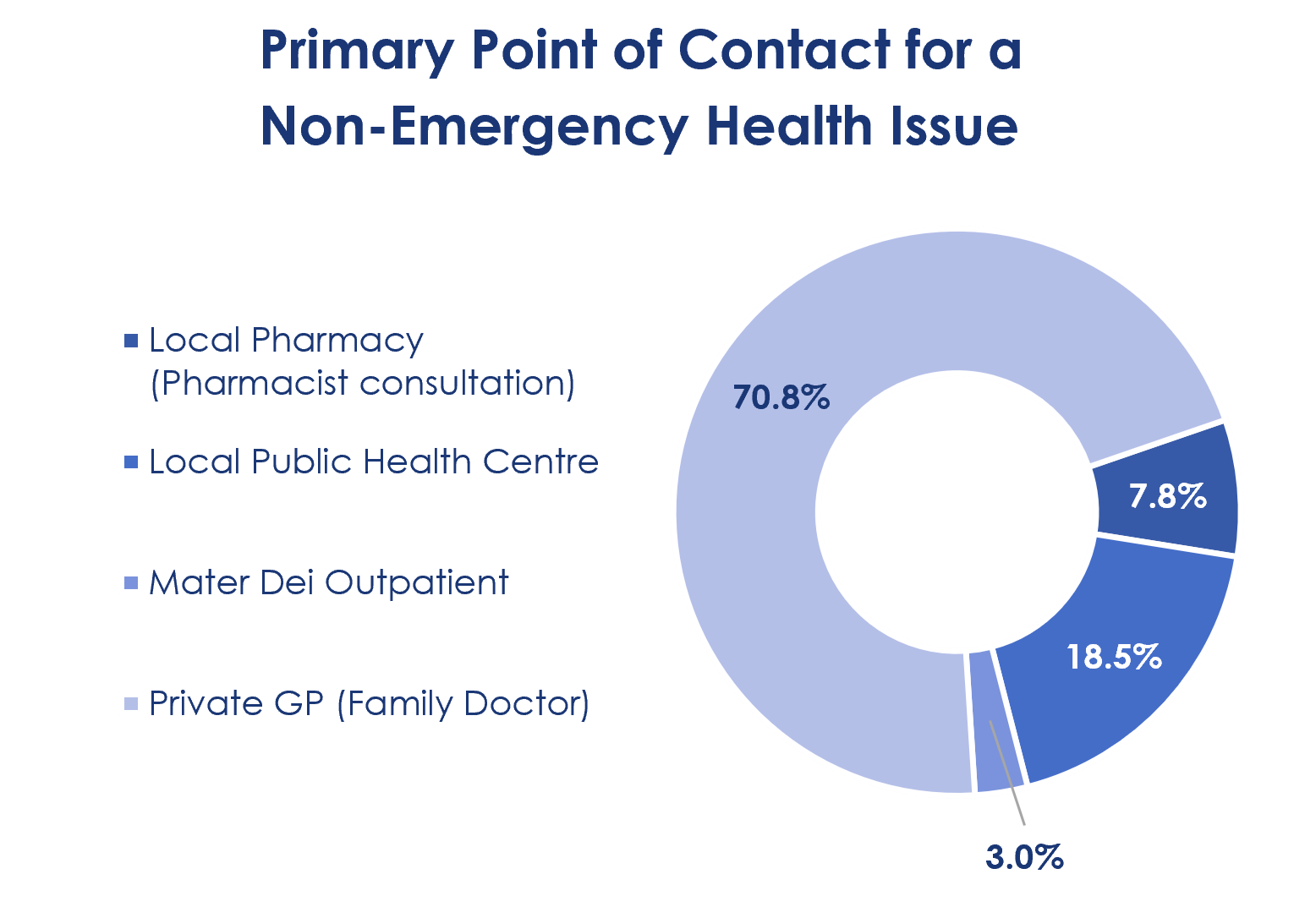
Seven in ten respondents or 70.8% would usually contact a private GP first for a non-emergency health issue, compared with 18.5% who would start at a public Health Centre.
Private healthcare use is widespread even without insurance. Nearly two-thirds of respondents or 65.8% have no private health insurance, yet 86.3% of uninsured respondents used private healthcare at least once during the previous year.
A System Built Around Both Sectors
Waiting Is the Central Pressure Point
Waiting time emerges as the clearest pressure point in the survey. Overall, 35.2% of respondents experienced an unmet healthcare need during the previous year, with long waiting lists accounting for almost three-quarters of these cases.
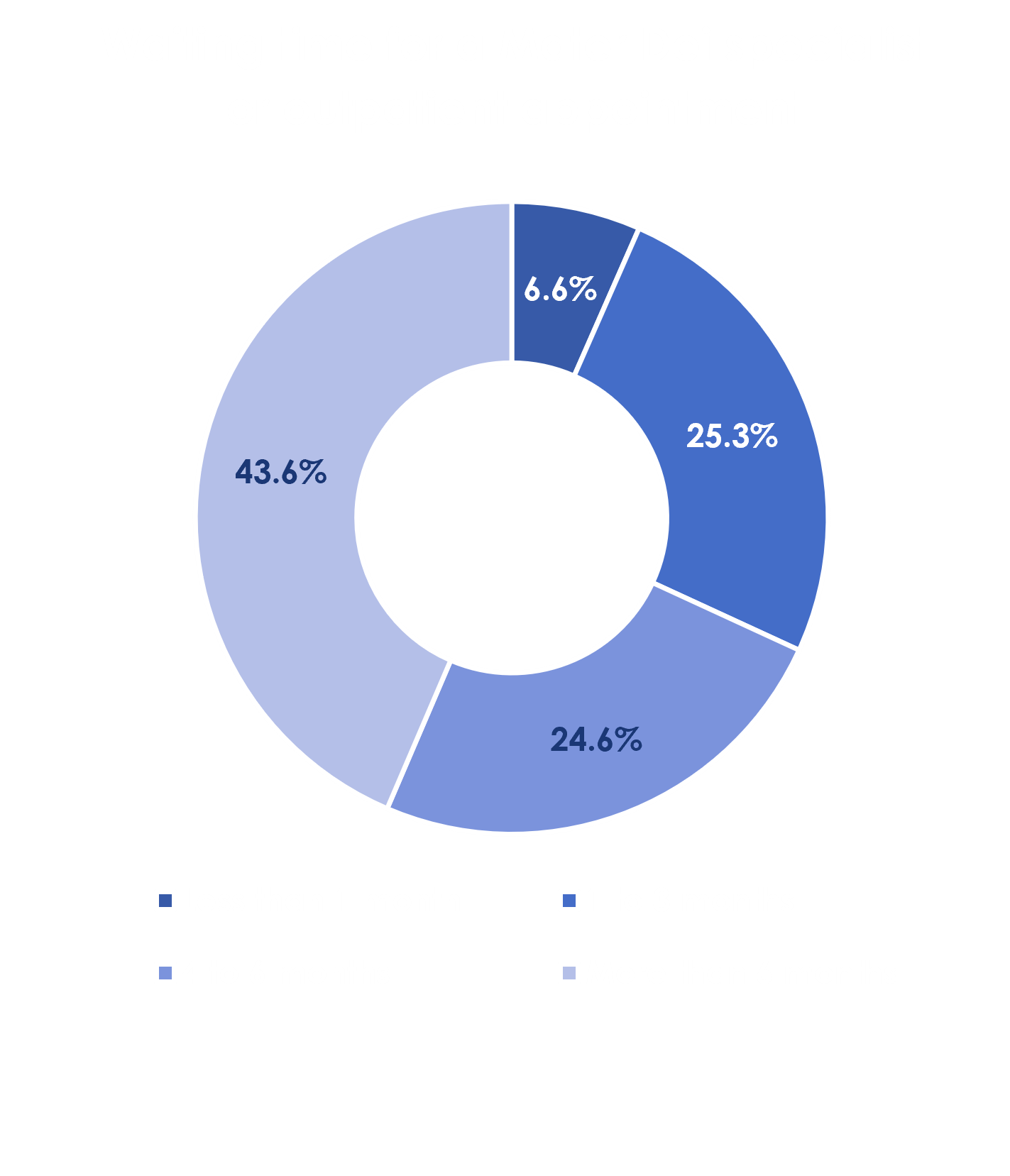
Among respondents who required specialist or outpatient care at Mater Dei, 43.6% typically waited more than six months. Among A&E users, 57.6% waited at least five hours before treatment, including one in four who waited more than eight hours.
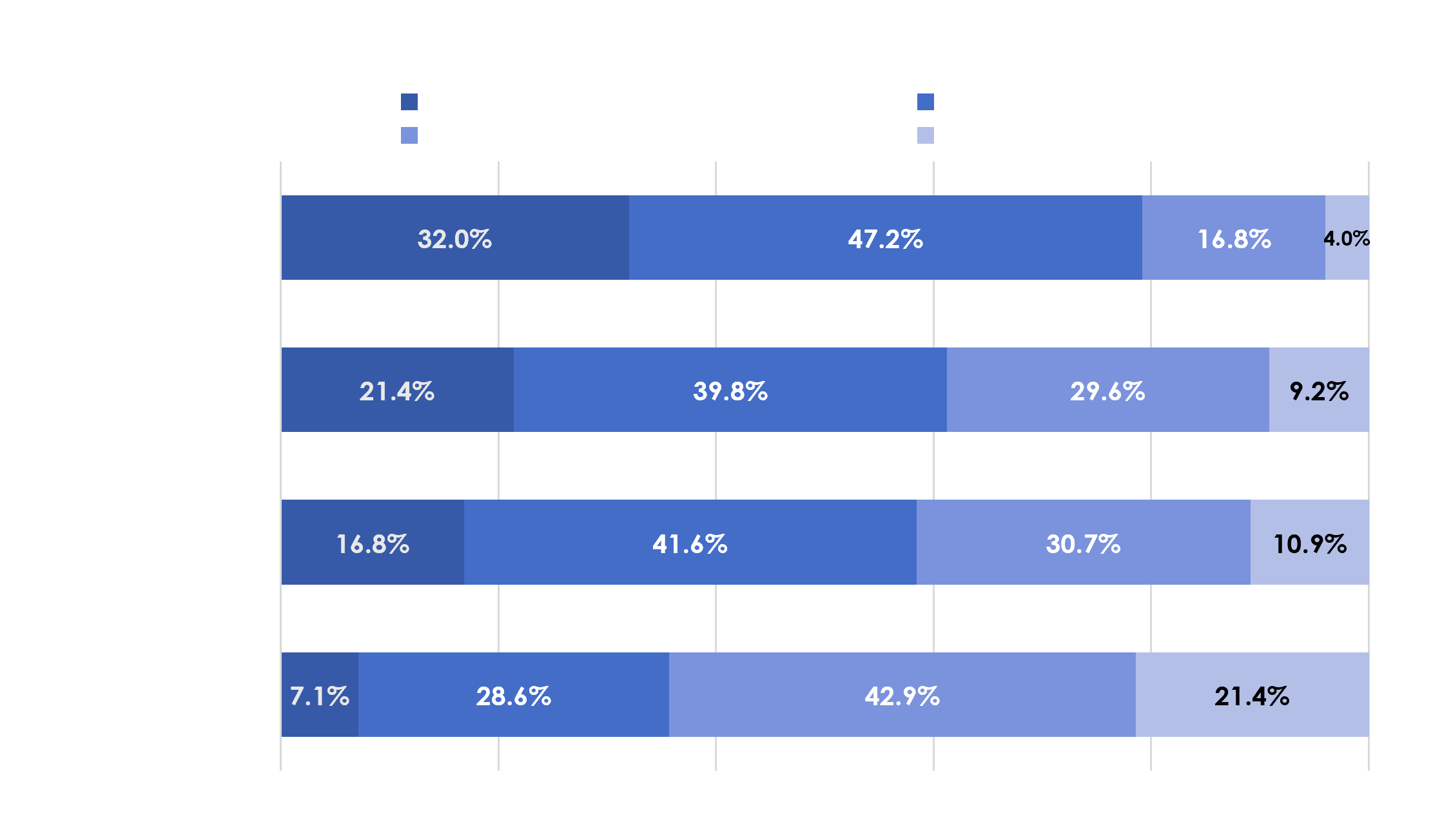
Longer waits are consistently associated with lower satisfaction with public healthcare. In specialist care, satisfaction falls from 61.3% among those waiting up to six months to 31.7% among those waiting longer. At the Accident & Emergency department, dissatisfaction rises from 14.8% among people treated within 5 hours to 34.6% among those waiting five hours or more.
Private Access Has Unequal Financial Consequences
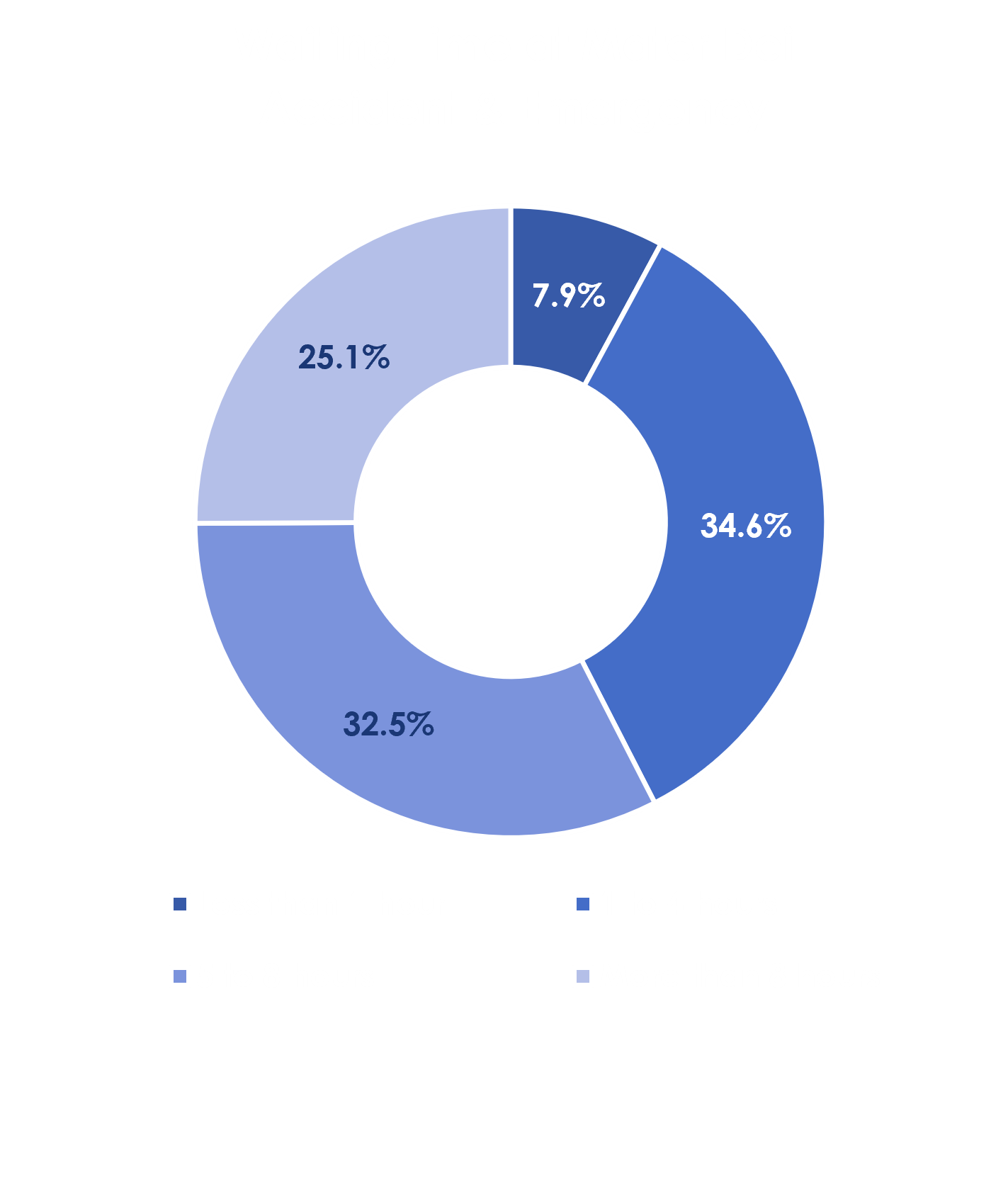
Out-of-pocket healthcare costs are a moderate or heavy burden for 65.3% of respondents. This rises to 79.2% among households earning below €25,000 annually, compared with 35.7% of households earning €75,000 or more.
Among uninsured respondents, 89.0% paid directly for private GP visits during the past year, while 78.3% paid for dental care. Cost also affects medication access: 12.6% of those prescribed medication had delayed or not collected it because of expense at least once.
Digital Health Shows Promise; Comfort Varies by Technology
The survey also points to a generally positive level of comfort with digital healthcare, particularly where technology extends familiar services.
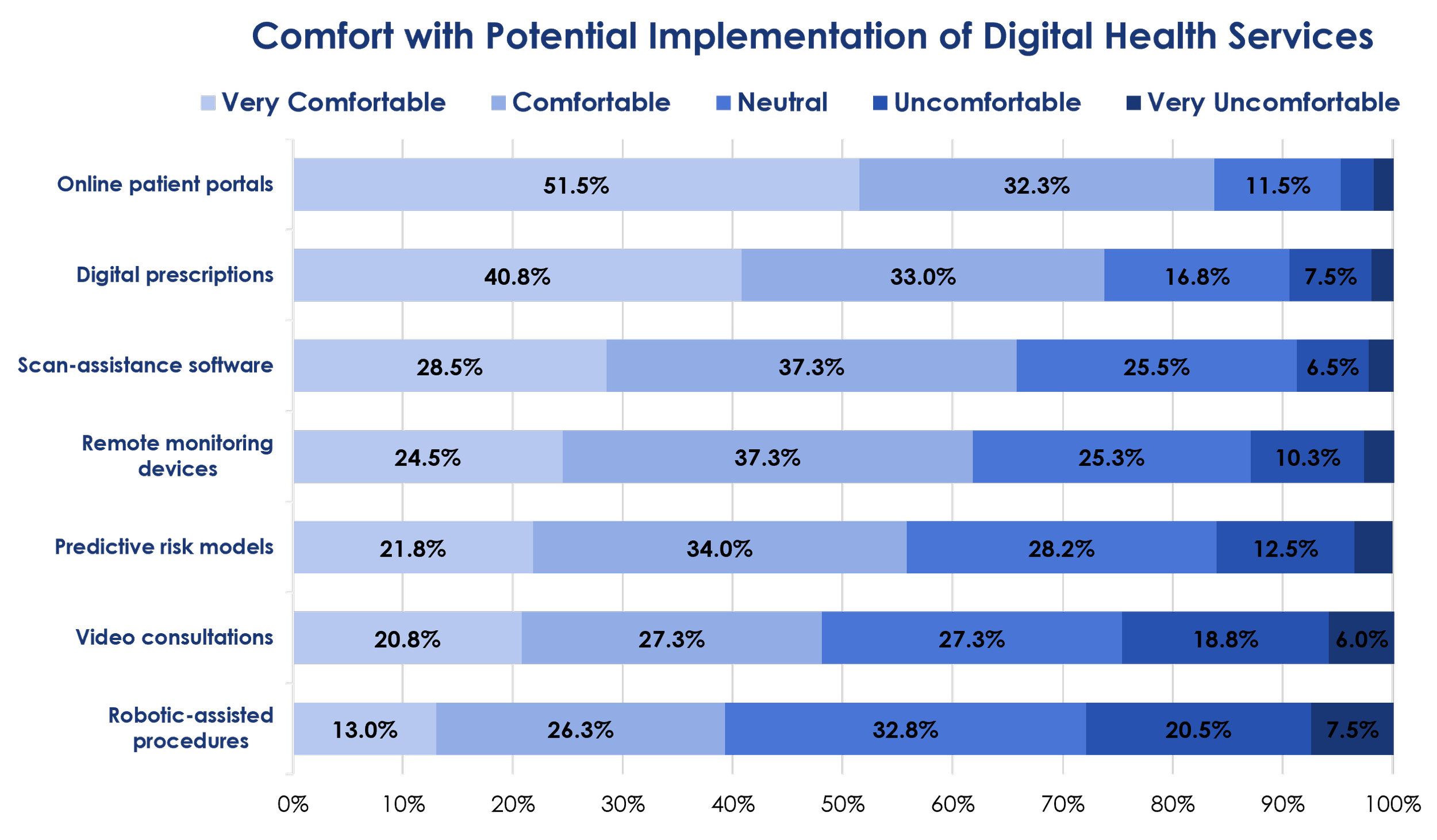
More than eight in ten respondents or 83.8% are comfortable using online patient portals, while 73.8% are comfortable with digital prescriptions. Comfort is lower for video consultations (48.1%) and robotic-assisted procedures (39.3%).
Actual use of digital health services is concentrated in myHealth, reported by 79.5% of respondents during the previous year.
What People Want Addressed First
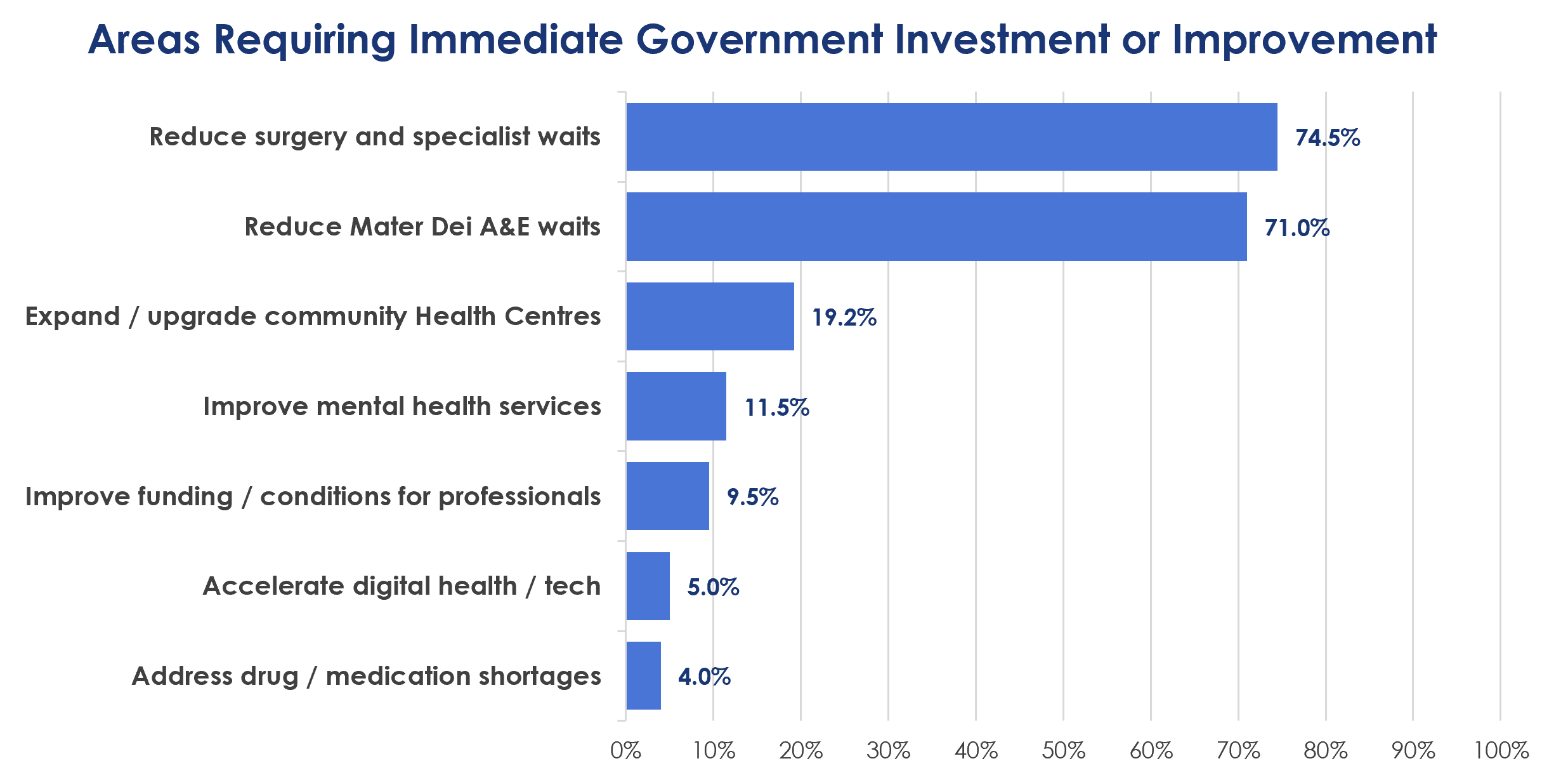
Waiting times dominate public priorities. Nearly three-quarters (74.5%) select reducing surgery and specialist waits as an area requiring immediate government investment or improvement, while 71.0% choose reducing A&E waits. No other option is selected by more than one in five respondents.
What the Data Signals
The results describe a population navigating healthcare through both sectors, rather than choosing exclusively between them. Private care is widely used alongside public healthcare, but out-of-pocket costs create a particularly significant burden for lower-income households.
Above all, the data suggests that waiting time is the issue most clearly shaping people’s experience of the system: it is the main reason for unmet need, is associated with lower satisfaction, and is the public’s clearest priority for improvement.