

Research on
Eating Out & Food Culture
03/07/ 2026
Author: Julia
Eating out has become an integral part of everyday life in Malta. Whether it's a casual dinner with family, a quick takeaway after work, or trying a new restaurant with friends, food plays an increasingly important role in how we socialise and make purchasing decisions.
MAS’ latest study, fielded between 1 and 15 June 2026 among 501 Maltese residents, provides a data-driven snapshot of the nation's dining habits, takeaway behaviour, and food preferences. From the cuisines we enjoy to how we discover restaurants, the findings reveal not only what people eat, but why they make the choices they do.
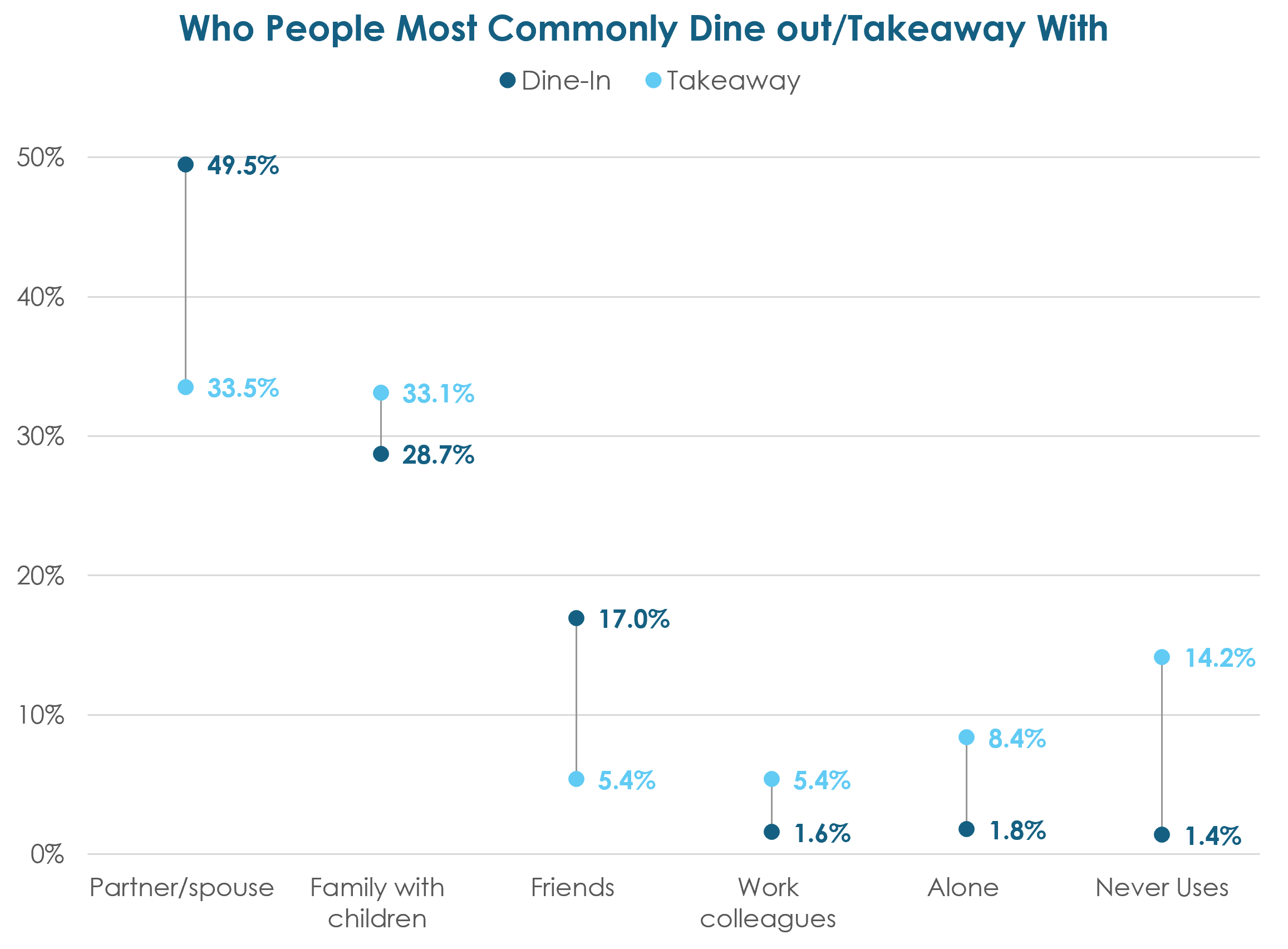
The findings show that dining out in Malta is still firmly rooted in social experiences. Half of respondents most commonly eat out with a partner or spouse, while almost another third do so with their family and children. Dinner overwhelmingly dominates both dine-in and takeaway occasions, reinforcing the role of food as an evening activity centred around family and leisure rather than daytime convenience.
Although takeaway has become an established part of eating habits, it fulfils a different purpose. Compared with eating out, takeaway is more likely to be consumed alone or during work, suggesting that convenience increasingly complements traditional dining experiences.
Dining Out is a Social Occasion
Convenience is Reshaping Takeaway
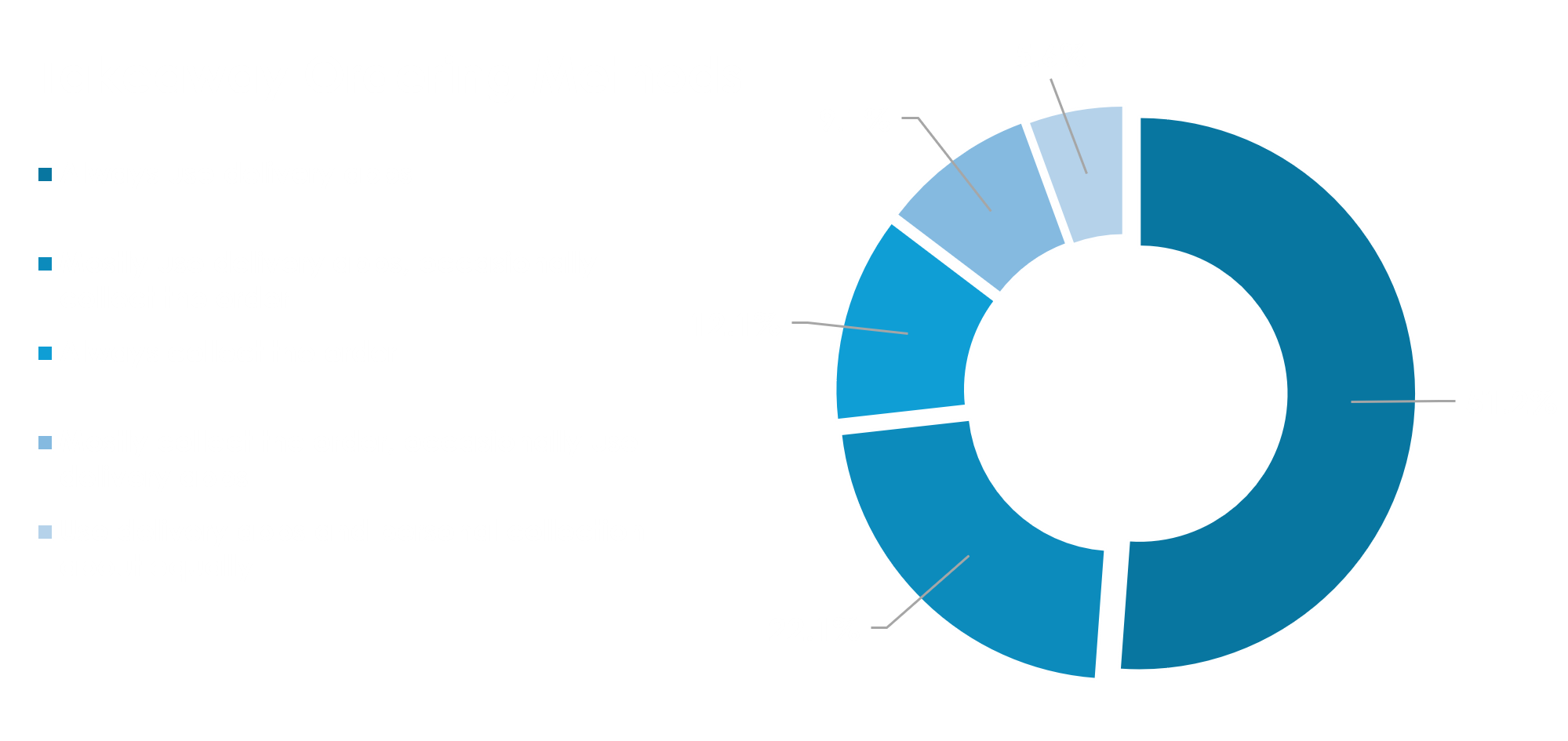
Digital ordering has fundamentally changed takeaway behaviour. More than half of respondents always order through delivery platforms such as Bolt Food or Wolt, while almost three-quarters primarily rely on delivery apps.
Word-of-Mouth Still Wins
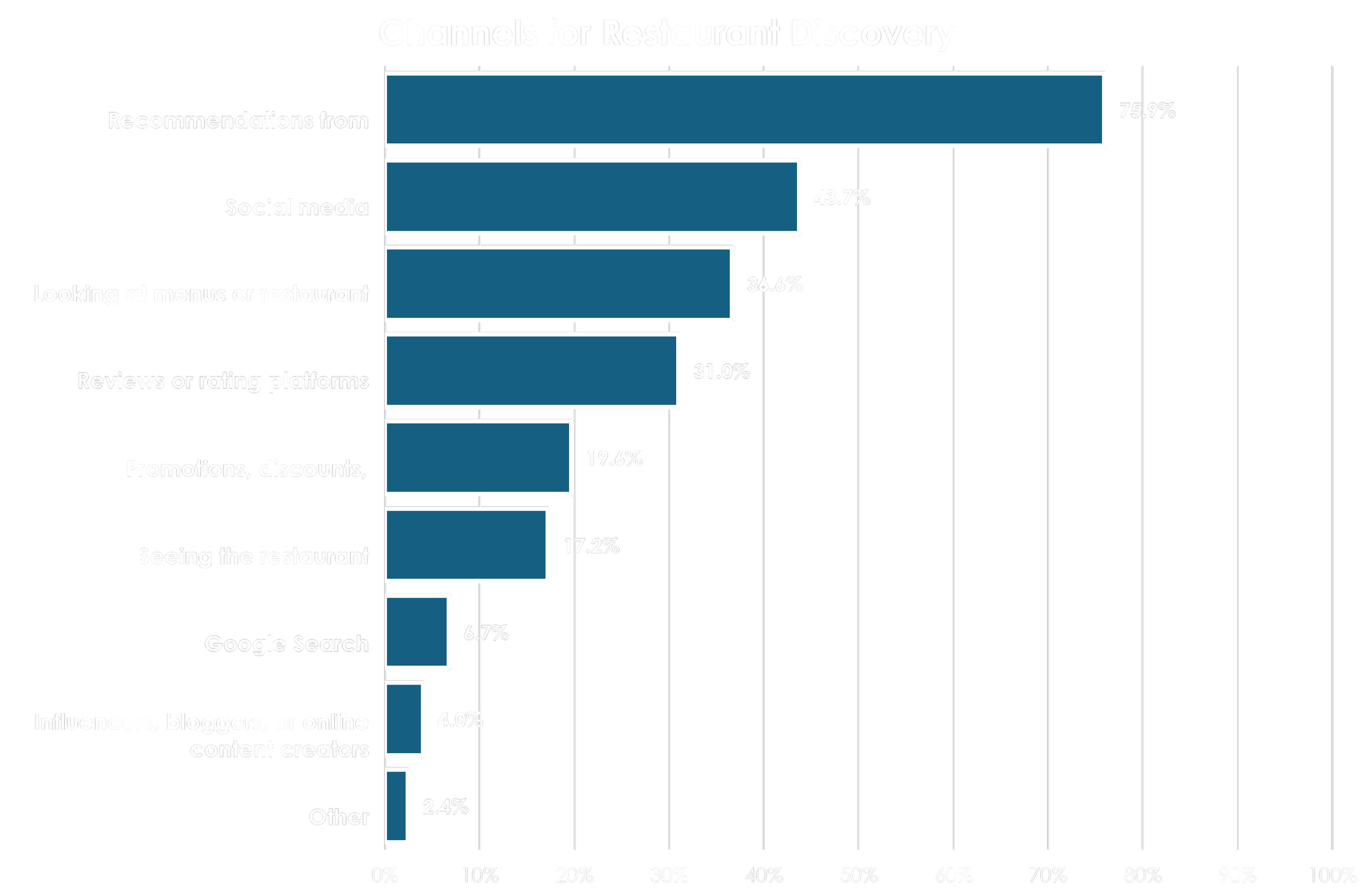
Despite the growth of social media, restaurant discovery remains remarkably personal. Recommendations from friends and family are by far the most influential source when deciding where to eat, outperforming social media, online reviews and restaurant websites by a considerable margin.
When consumers finally make their decision, food quality stands comfortably above every other consideration. Price remains important, but respondents consistently indicate that value and quality ultimately matter more than simply finding the cheapest option.
Price Remains the Biggest Frustration
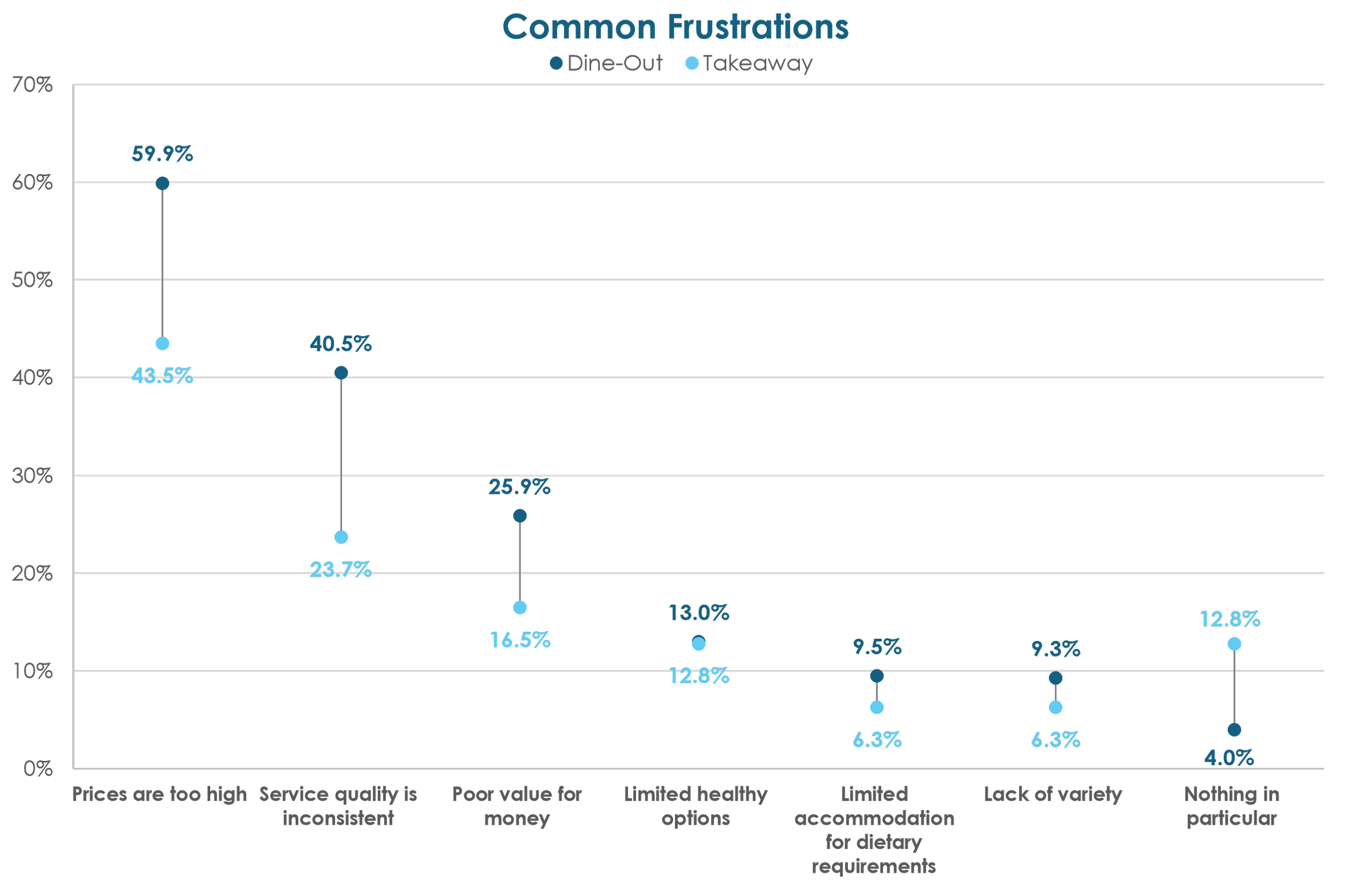
Affordability emerges as the dominant concern throughout the report. High prices are the most commonly cited frustration for both dining out and takeaway, while a larger proportion of respondents report reducing their dining-out and takeaway frequency over the past year than increasing it.
Yet the findings also show that consumers are not simply looking for lower prices. Rather, they expect restaurants to deliver an experience that justifies the price they pay, with value for money and consistency of experience mattering to consumers alongside price.
What the Data Signals
Taken together, the findings paint a picture of a mature dining market that is balancing tradition with changing lifestyles. Dining out remains centred around shared social experiences, while takeaway increasingly satisfies practical, convenience-driven needs. Consumers continue to value quality above all else, but rising costs have heightened expectations around value for money, making affordability and consistency important alongside the food itself.