

Research on
Traffic & Mobility
08/06/ 2026
Author: Julia
Traffic congestion is widely recognised as one of Malta’s most pressing everyday challenges. In fact, our latest survey of 472 Maltese residents shows that 95% of people regard it as a big problem in Malta.
MAS’ latest study, fielded between 4 and 17 May 2026, offers a clear, data-driven picture of how people travel, how they view the system, and what they want to change.
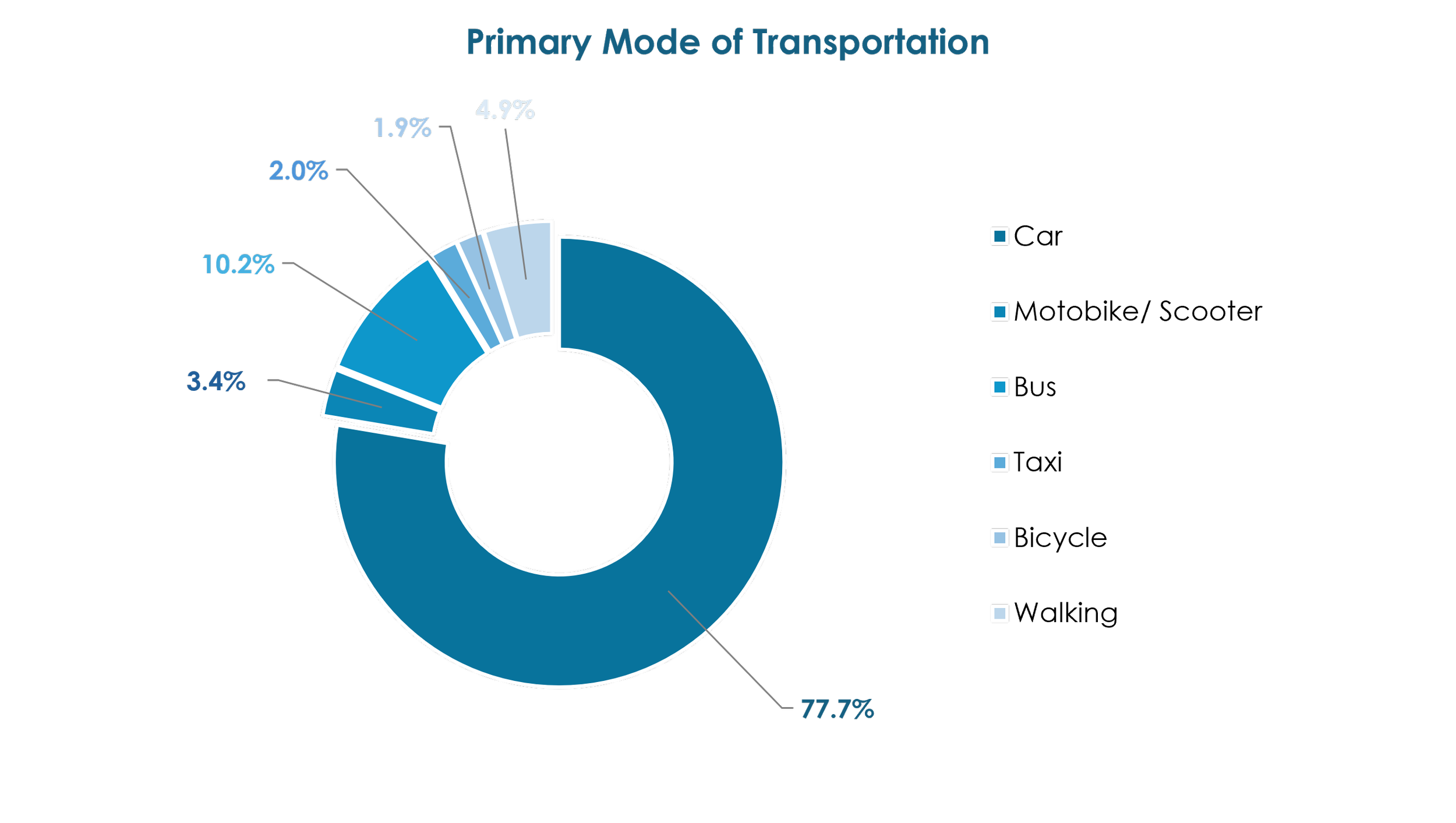
The findings point to a transport system heavily centred around the private car. Nearly 78% of respondents identify the car as their primary mode of transport, far ahead of all alternatives. Even when people use multiple modes occasionally, the car remains the backbone of daily mobility.
This is reinforced by high levels of car ownership, which scales closely with household size, with multi-car ownership especially common among larger households. There is also a widespread perception that living without a car is difficult.
A Car-Dependent Reality
Public Transport Plays a Limited Role
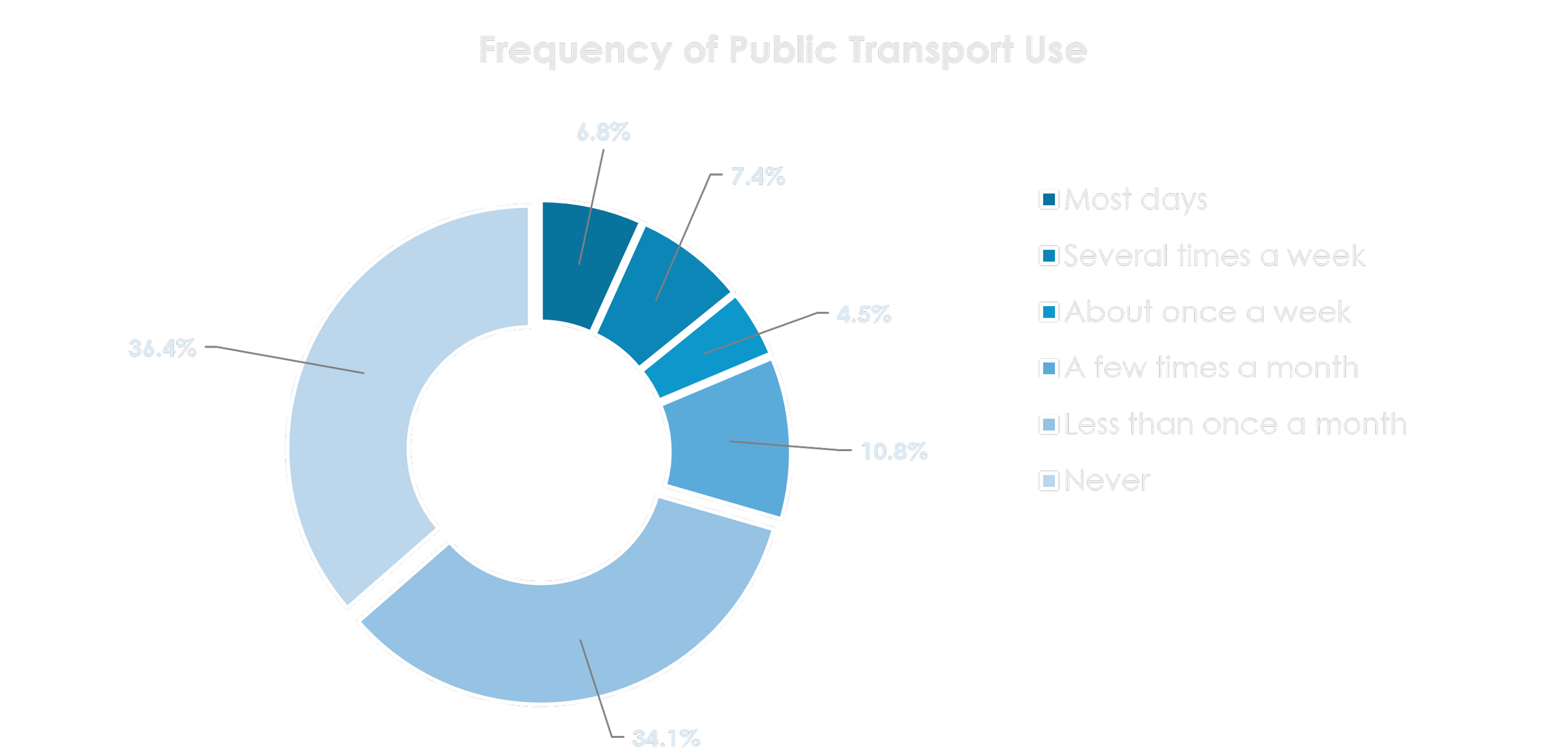
Public transport, by contrast, remains secondary for most people. Around 71% of respondents report using it rarely or never, indicating that it does not currently function as a core part of daily travel.
Those who do rely on it face a different experience from car users; longer journey times are common, suggesting that time cost is a major barrier to wider adoption.
Satisfaction Gap Among Users
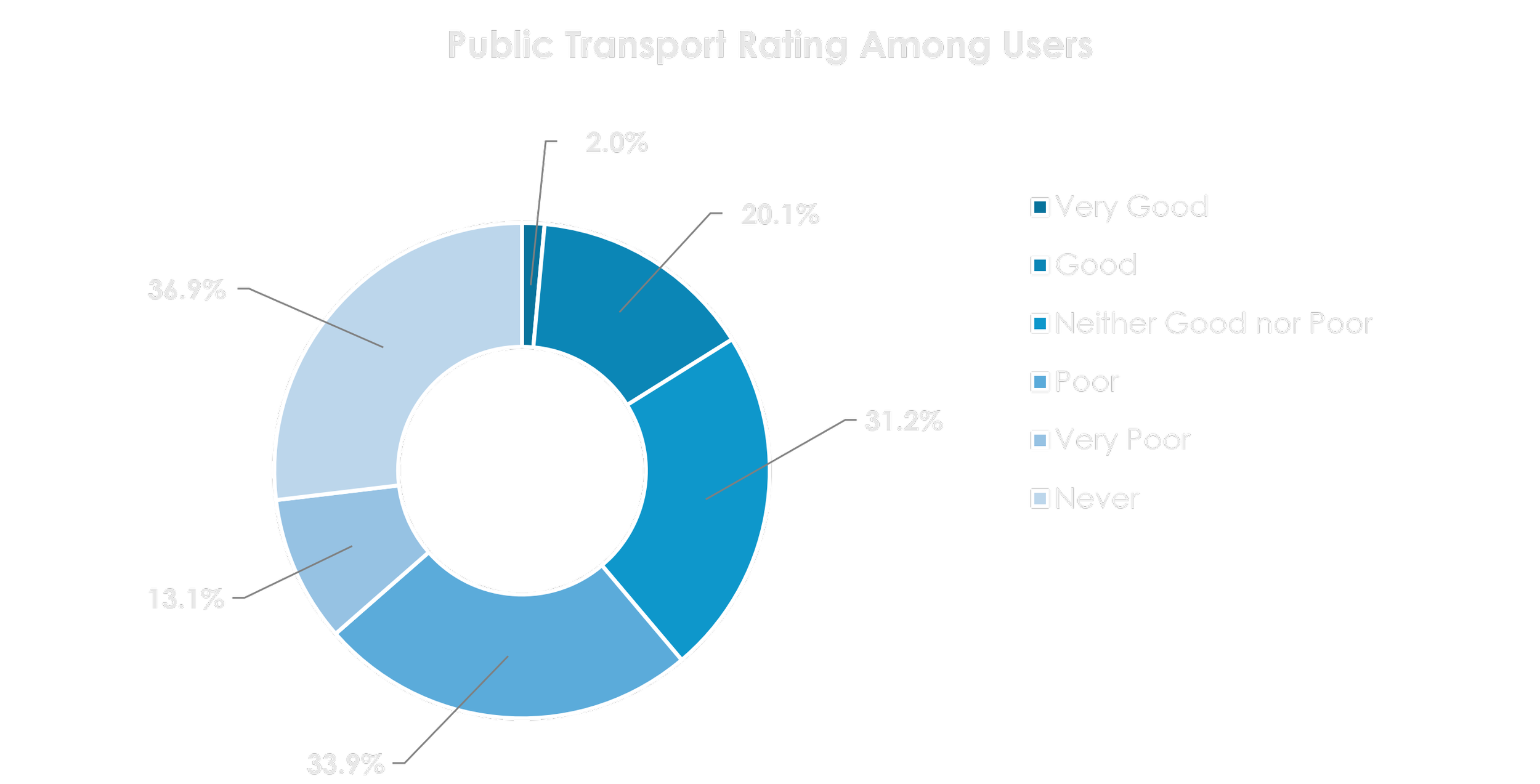
Among public transport users, satisfaction levels are low. Negative ratings significantly outweigh positive ones, pointing to a clear gap between expectations and experience. Reliability emerges as a key issue.
When asked what would encourage more frequent use, respondents consistently prioritise better punctuality and more frequent services, ahead of factors like comfort.
What is the Solution?
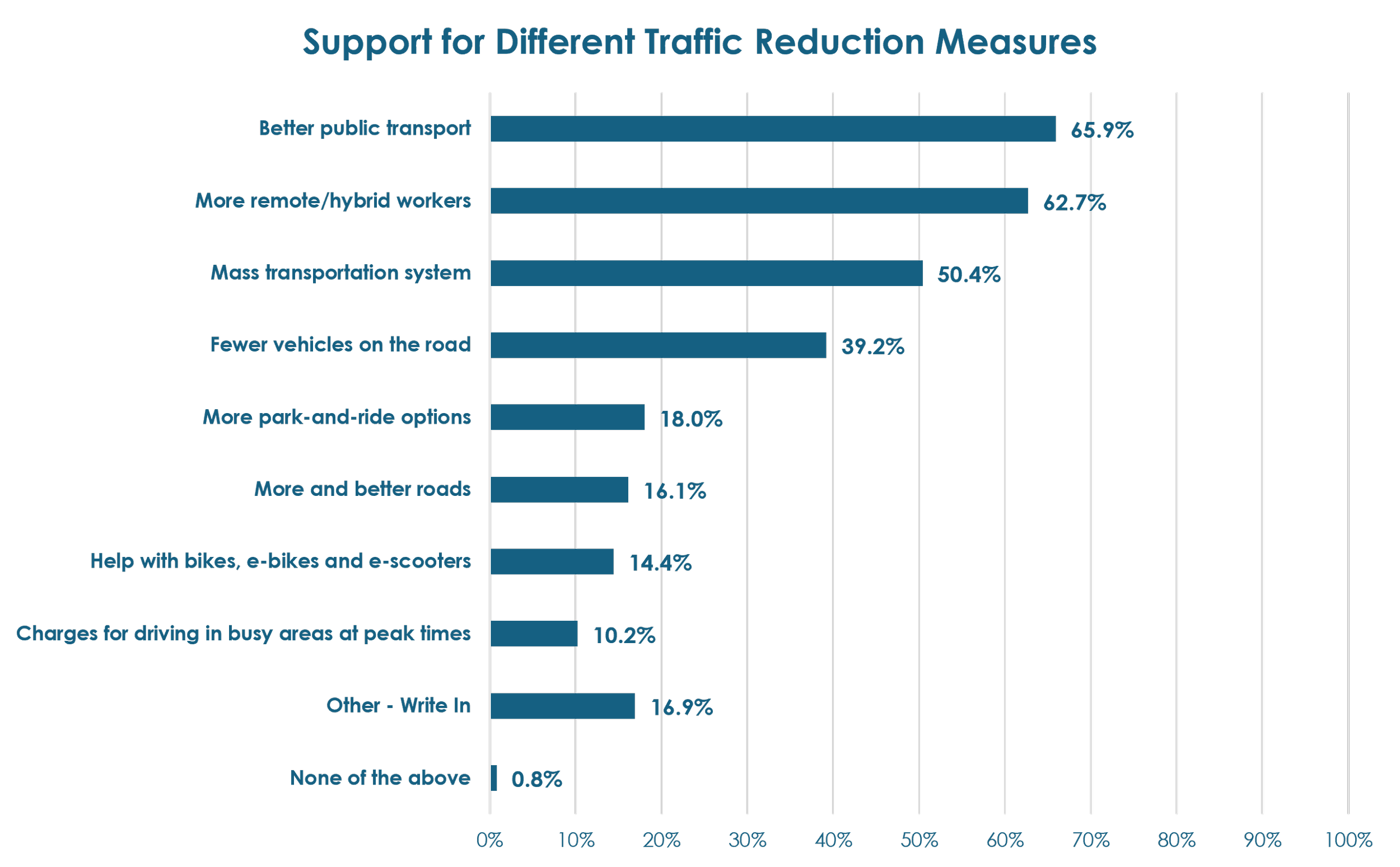
There is strong backing for measures that improve alternatives to driving. Better public transport and increased remote or hybrid working are the most widely supported solutions. However, there is far less appetite for policies that directly restrict car use. Measures such as congestion charging or reducing the number of vehicles on the road attract comparatively low support, highlighting a gap between recognising the problem and accepting more disruptive solutions.
What the Data Signals
Taken together, the findings point to a self-reinforcing system, as high car dependency, limited public transport use, longer travel times, and low satisfaction all interact to sustain current patterns. Addressing traffic congestion in Malta will therefore require more than isolated interventions, as it will depend on making alternative modes of transport genuinely competitive, reducing structural reliance on private vehicles, and aligning public expectations with long-term policy choices.